Crack Repair Overview
Cracks in walls, floors, or a foundation structure are among the most common reasons homeowners start looking for foundation help — and also one of the most misunderstood. Not every crack signals a serious structural problem, but not every crack is cosmetic either. The key factors professionals look at include the crack's width, orientation, location, whether it runs through brick or block or only through mortar joints, and whether it appears to be active or stable.
Before requesting a quote for crack repair, take photographs of the cracks you are concerned about and note approximately when you first noticed them and whether they appear to have grown. Mark the ends of any active-looking cracks with a pencil and a date — this gives a professional useful information when they arrive. Describe whether the cracks are on the interior, exterior, or both, and whether any structural symptoms like sticking doors or sloping floors accompany them.
- Diagonal cracks running from the corners of door and window openings are among the more commonly reported signs of differential foundation movement
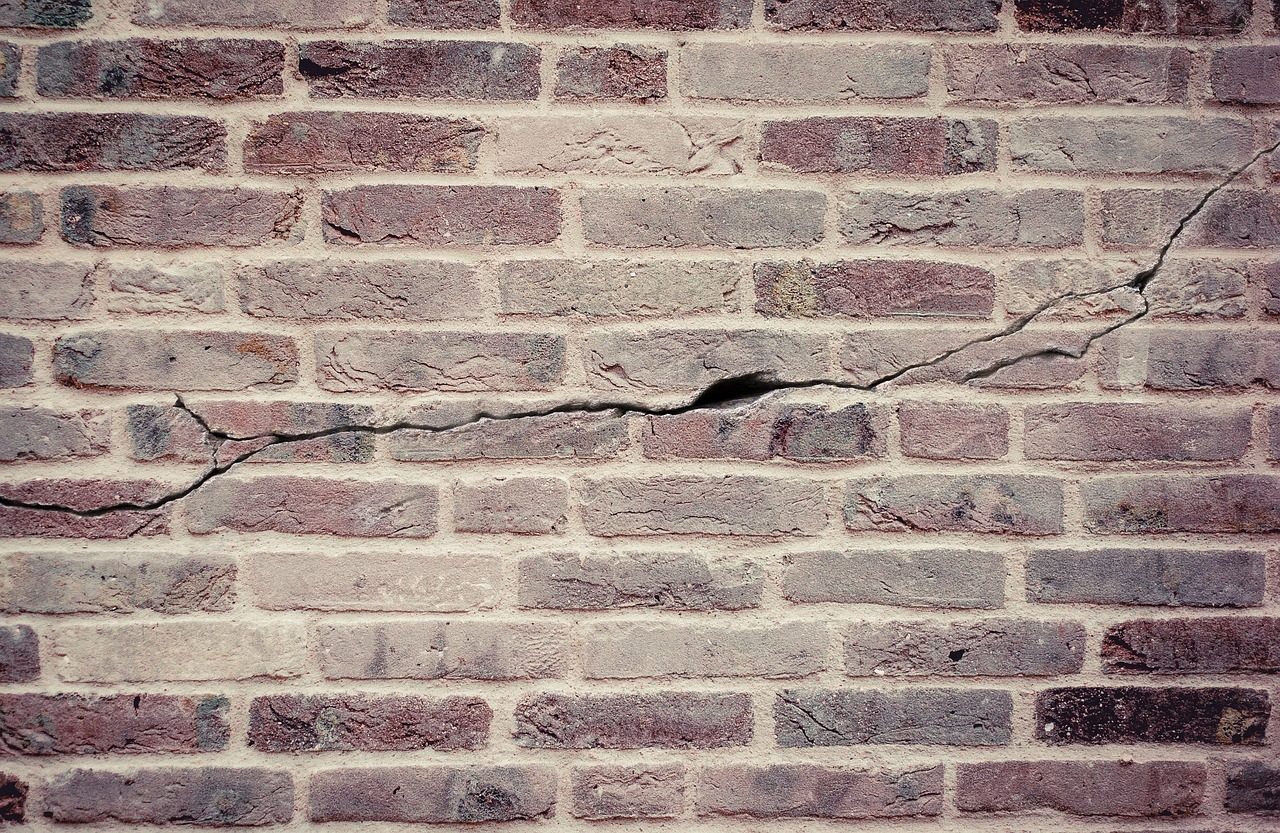
- Stair-step cracks in brick or concrete block often follow mortar joints and can indicate lateral movement or settlement in specific areas of the foundation
- Horizontal cracks in basement or retaining walls are generally treated as more structurally significant than vertical or diagonal cracks — ask a professional to explain what they see
- Some cracks are repairable at the surface level; others require addressing the underlying foundation movement first — surface-only repair without resolving the cause may not last
- Ask any professional you speak with whether the crack you are seeing is active or stable, and what method they recommend for repair and why
 Sample photo